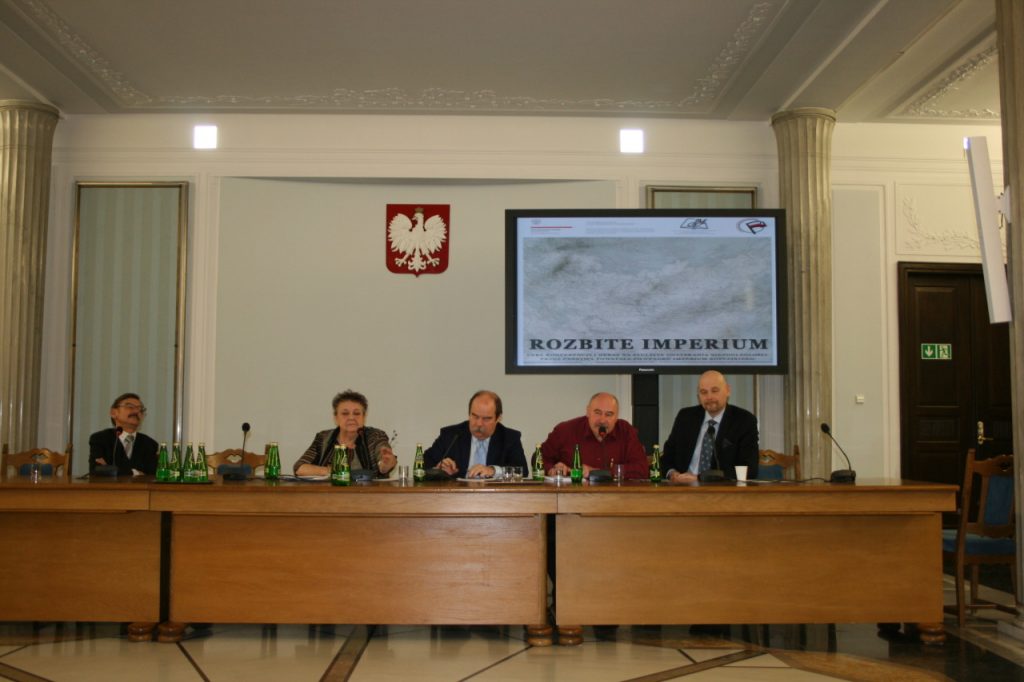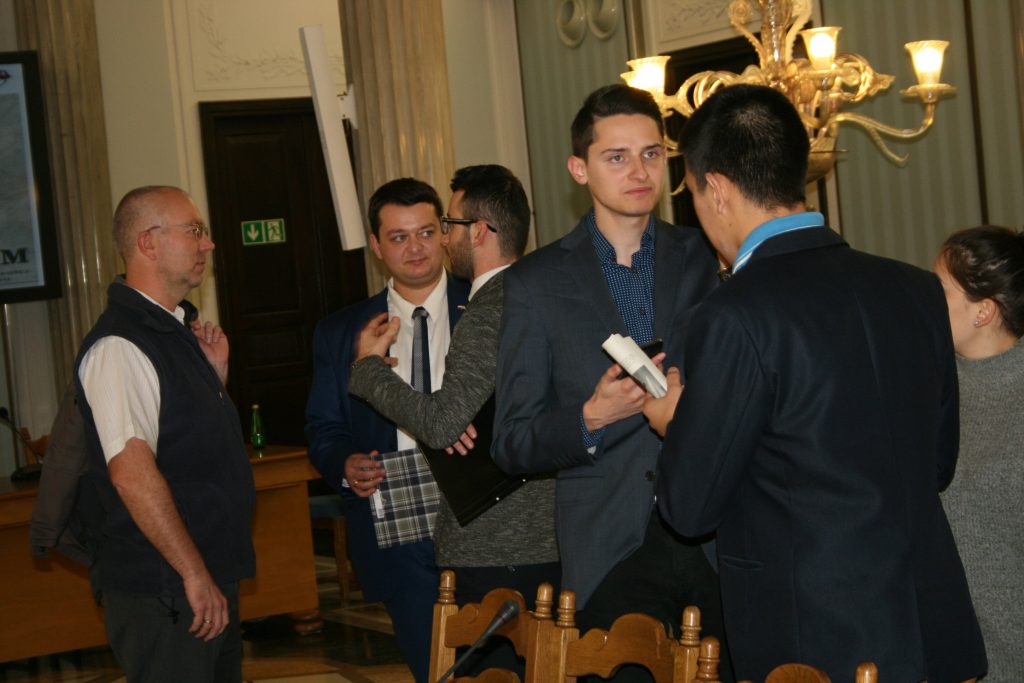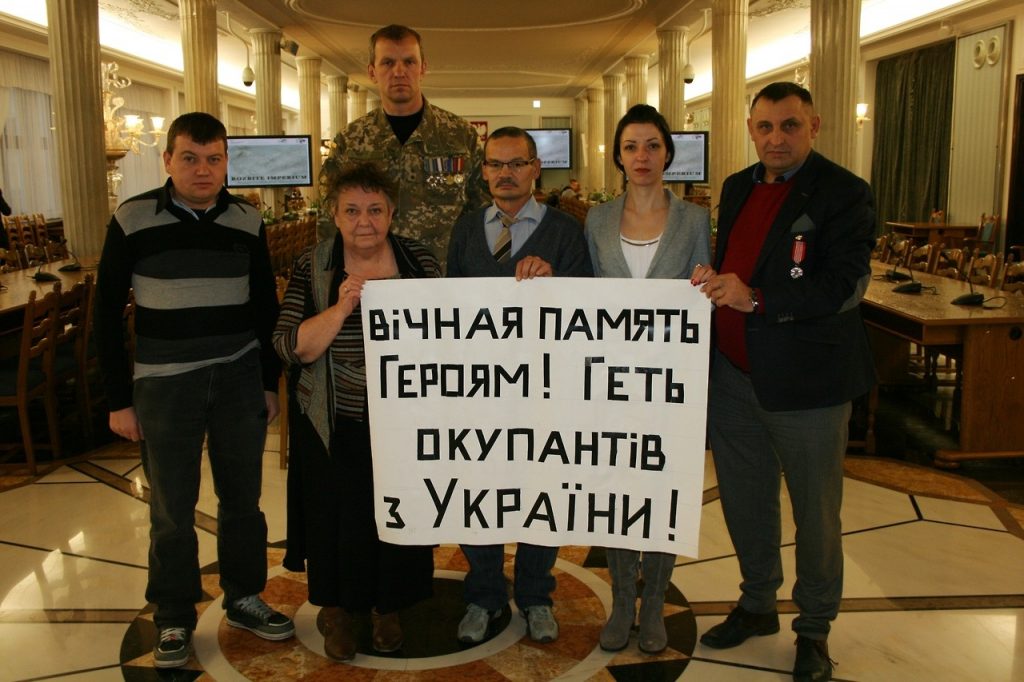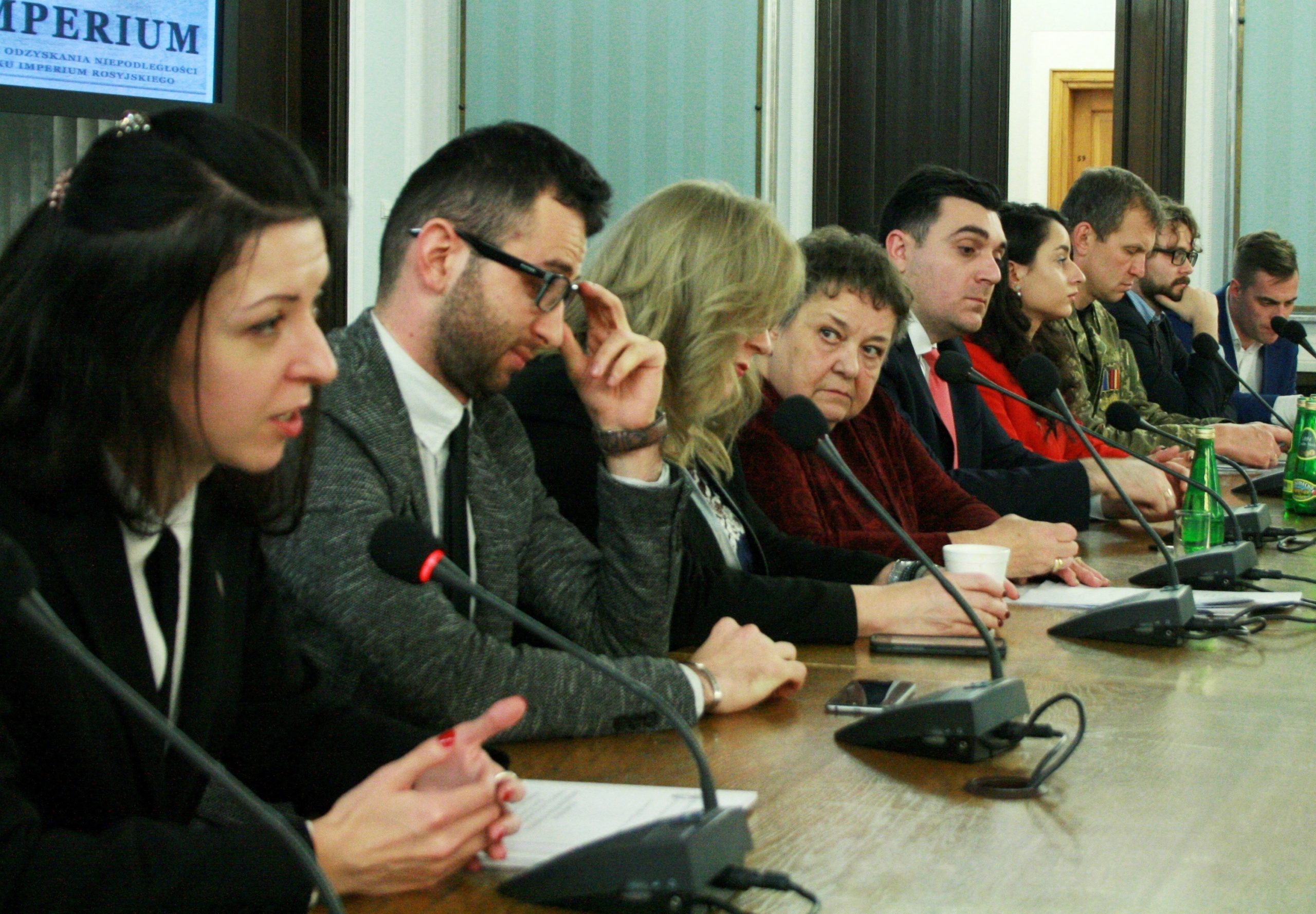
November 25-26, 2017, at the Column Hall of the Polish Seim, the final conference of “The Shattered Empire” cycle took place. It started in Kyiv, continued in Tbilisi and ended in Warsaw.
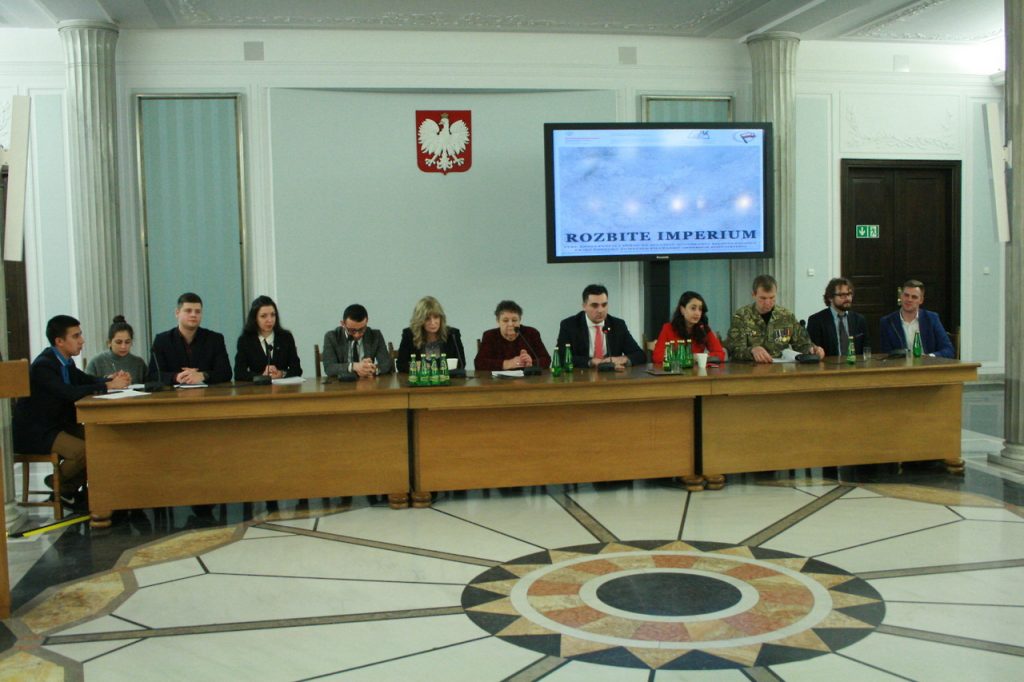
The lion’s share of the event’s speeches on the independence of the former Russian Empire’s and Soviet Union’s peoples were dedicated to Polish-Ukrainian cooperation . This fact is all the more interesting as the conference was held under the auspices of the Ministry of Foreign Affairs of the Republic of Poland, headed by Witold Waszczykowski who is known in Ukraine as an opponent rather than a supporter of this interaction. However, to be fair, Małgorzata Gosiewska, a representative of the ruling party “Law and Justice” (currently, Vice Speaker of the Parliament), who in 2015 prepared a report on the crimes of Russia in the Donbas and submitted it to the Hague tribunal, also planning to present the fruits of her work at the parliaments of the world, was in the presidium of the event as well.
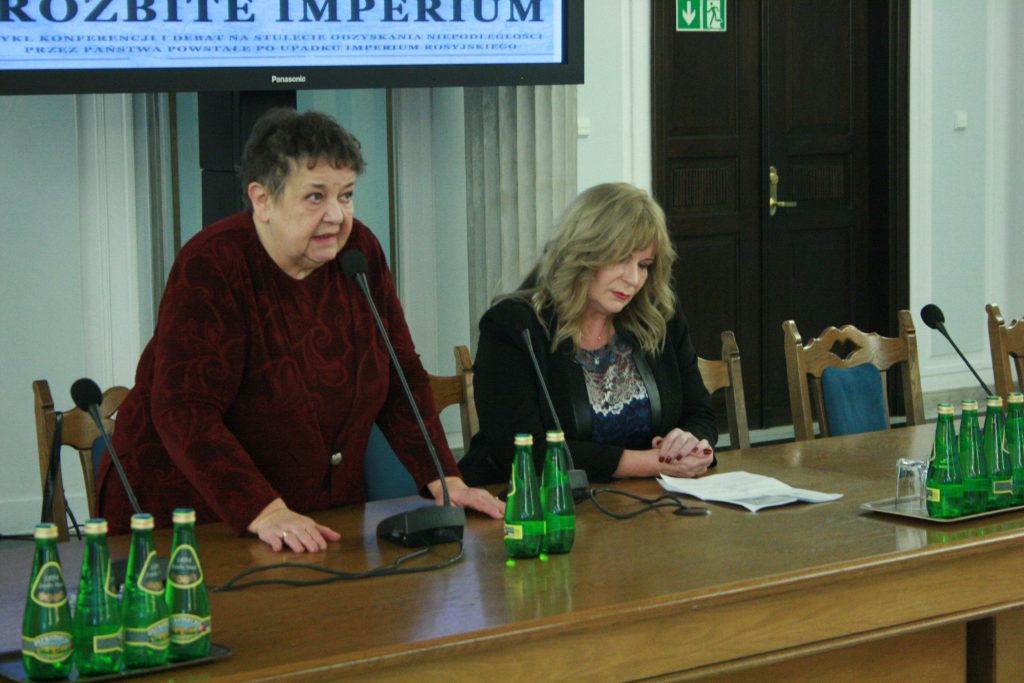
Besides, direct organizers and hosts of the event, the head of the “Independence” Foundation Marcin Dybowski, as well as prominent Polish dissidents and public figures Jadwiga Chmielowska and Piotr Hlebowicz, who headed the autonomous Eastern Division of underground anti-communist “Fighting Solidarity” (Solidarność Walcząca), did not conceal their sympathies for such cooperation. Mariusz Patey, Director of the Institute of Roman Rybarsky and a regular participant of the Intermarium Support Group conferences, founded by the leader of National Corps, MP of Ukraine, Deputy Chairman of the Committee on Security and Defense of Ukraine Andriy Biletsky, also assisted with the organization of the event.
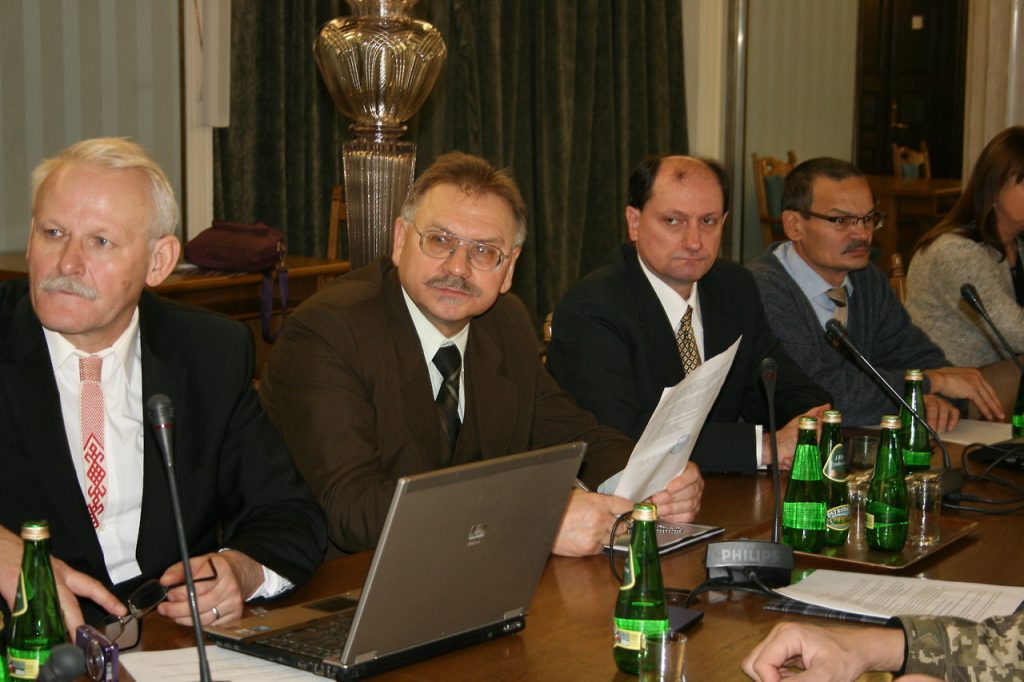
The conference was divided into several thematic blocks: the path to independence of the Intermarium peoples; the first national liberation steps and the mature struggle for independence in the twentieth century; “Enzyme in the East”: Ukrainian, Belarusian, Crimean People’s Republics and the Transcaucasian Democratic Republic; the continuity of the older and the current generations of independence fighters and the results of the conference. Accordingly, in addition to the Poles, the event was visited by representatives of Ukraine, Belarus, Georgia, Lithuania, Tatarstan, as well as the Crimean Tatars.
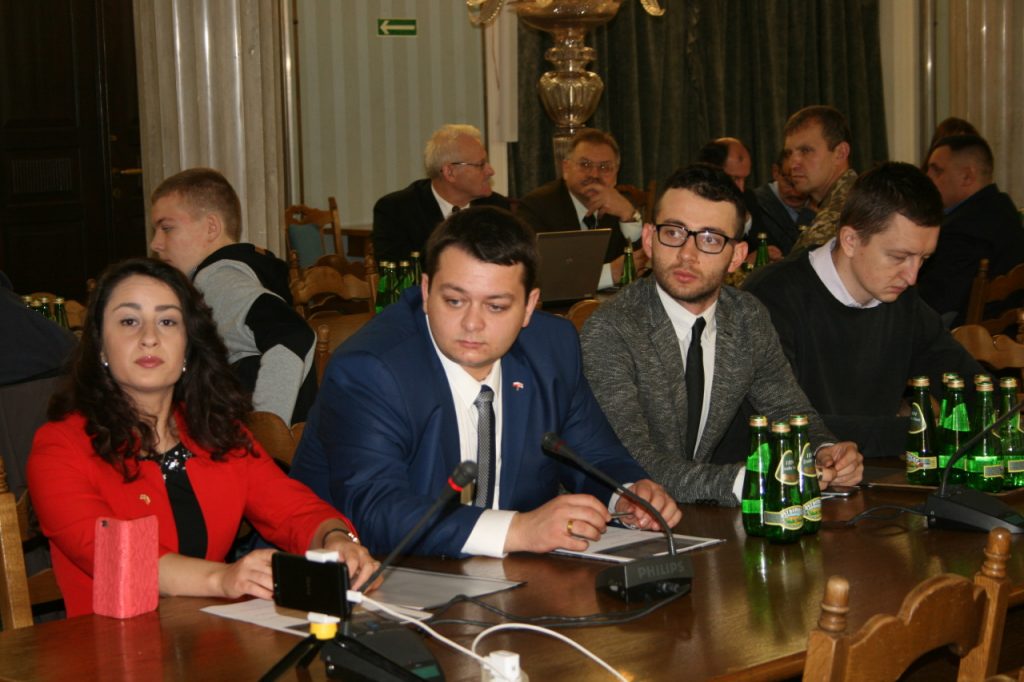
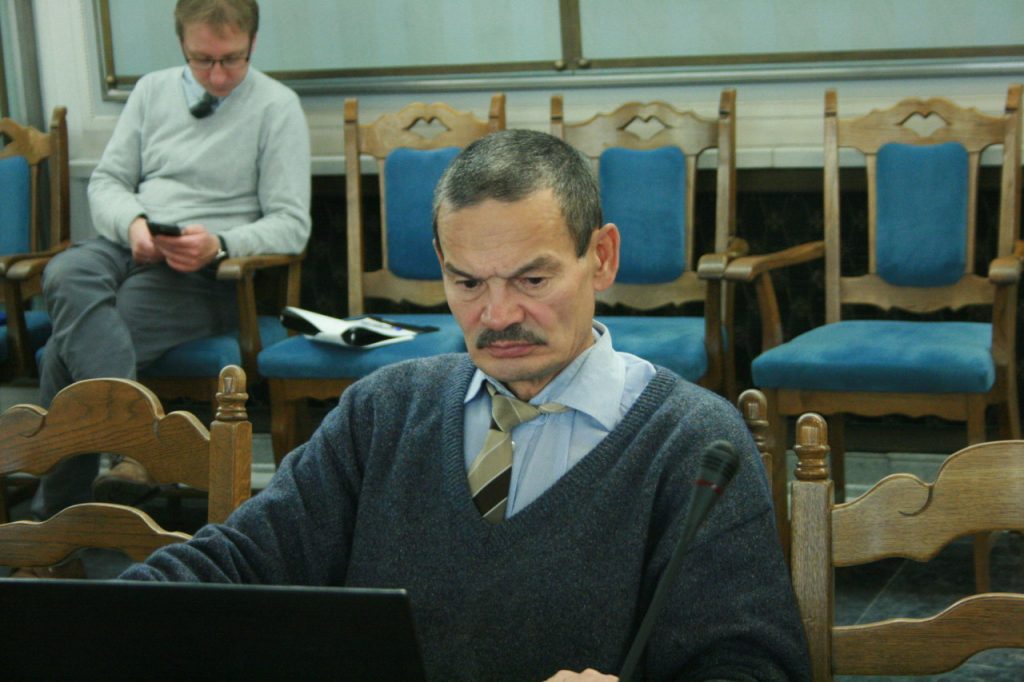
The first conference day ended with a panel discussion with the participation of the young generation of independence fighters from the region, which was also attended by Ilia Darchiashvili, Ambassador of Georgia to the Republic of Poland. It was followed by a screening of the film named “Friendship in the Kremlin’s Shadow” about the investigation into the death of Polish President Lech Kaczynski in the aftermath of his criticism of Putin’s war de facto against Georgia’s civilian population.
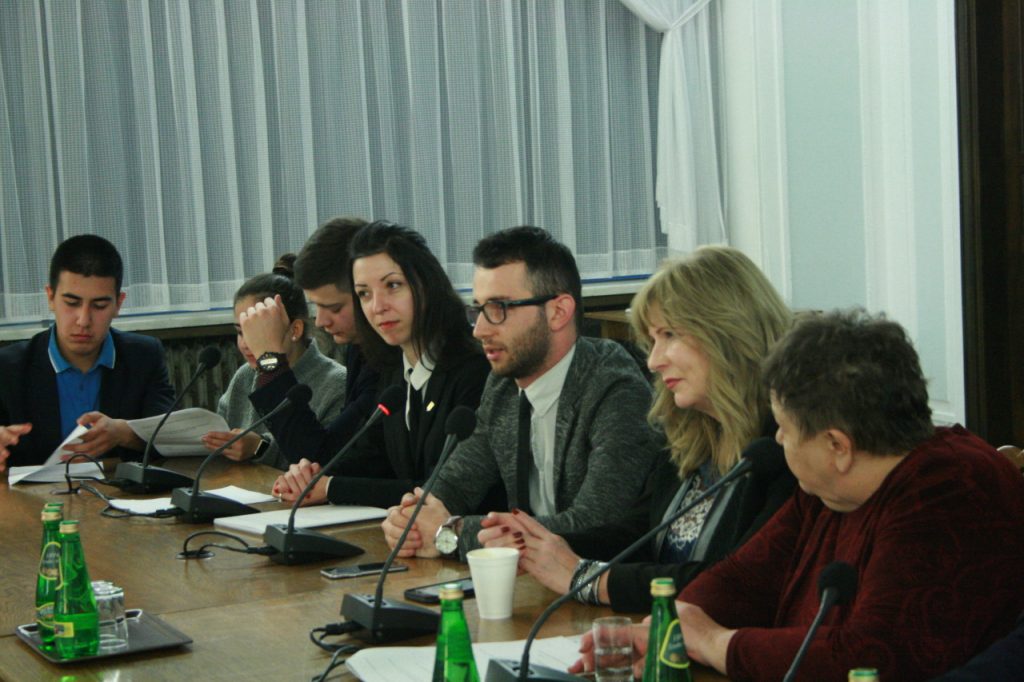
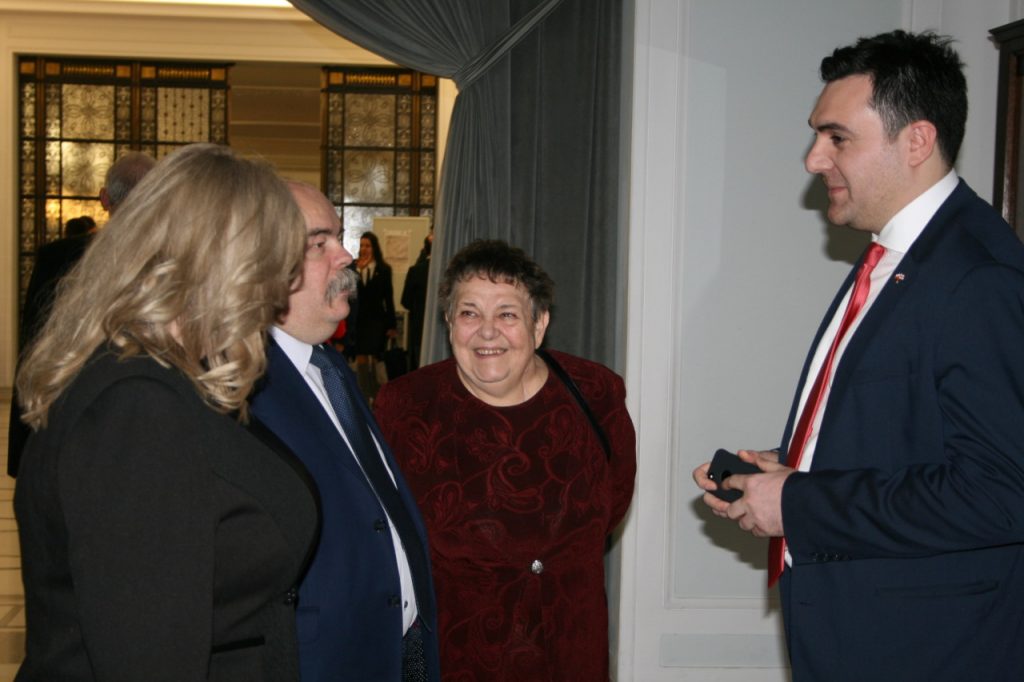
Ukraine was represented at the conference by a delegation from the Ukrainian student body, Olena Semenyaka (National Corps), Yevgen Bilonozhko (editor-in-chief of the Polonews Internet portal, a political expert), a volunteer of more than one war in the region Igor “Topolia” Mazur and Anatoly Sholud’ko (UNA-UNSO). All the speakers from Ukraine in one way or another shared the idea of Intermarium and a “historical” reconciliation with the Polish people.
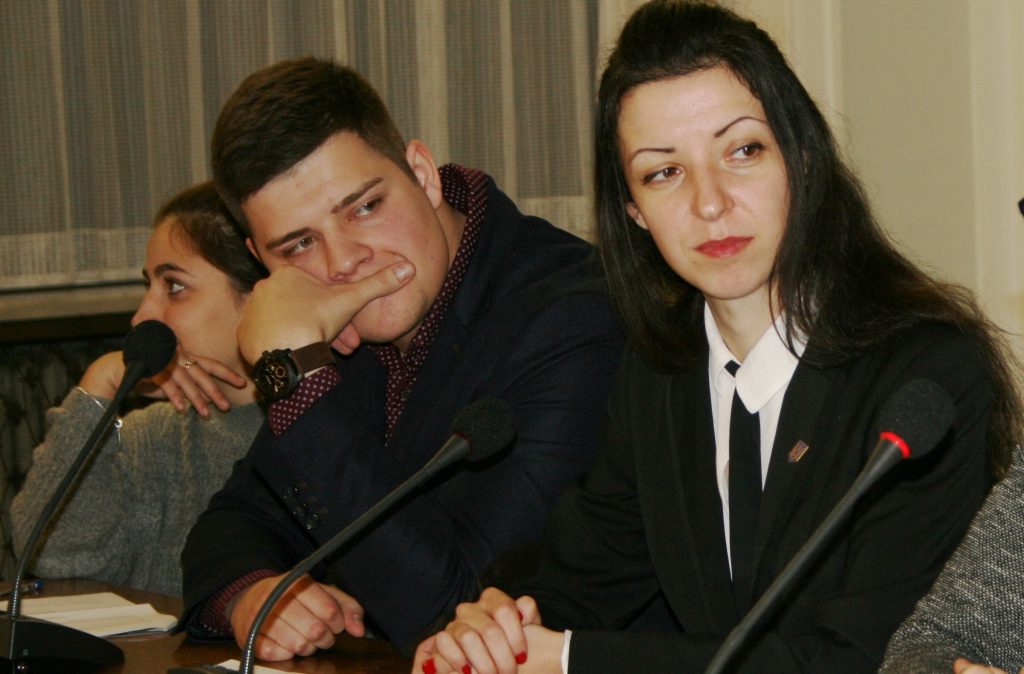
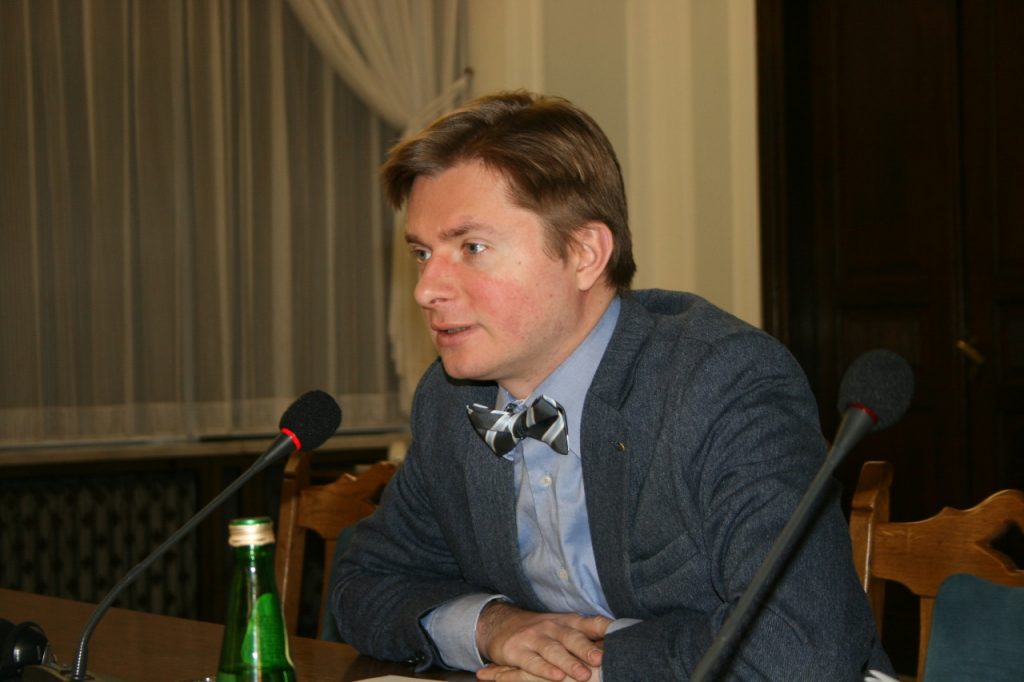
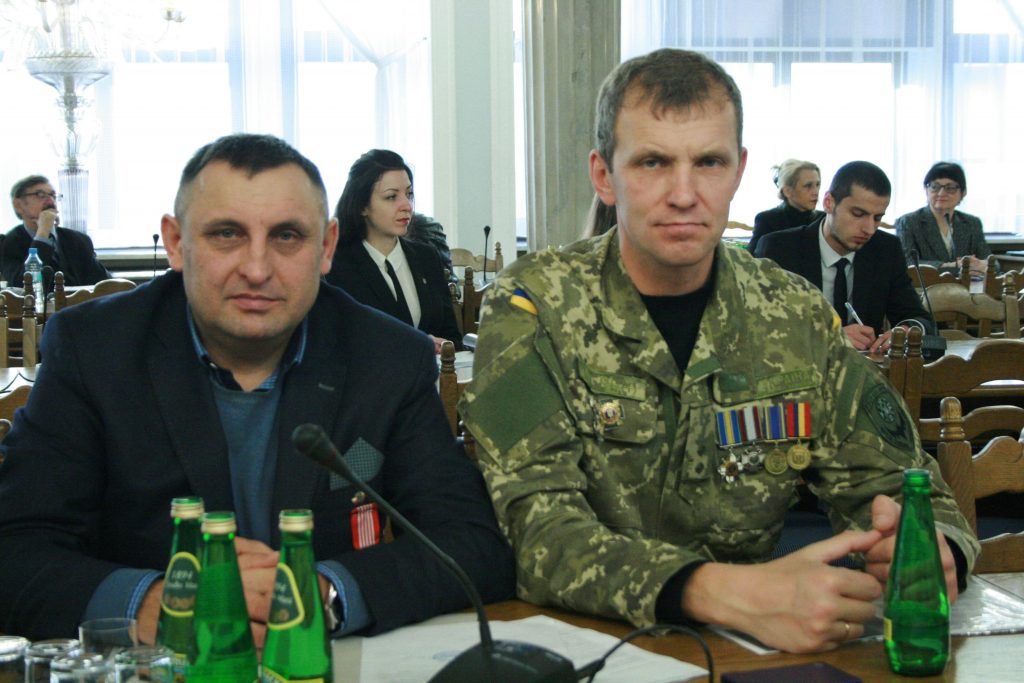
Olena Semenyaka’s speech expectedly touched upon the latest Ukrainian national liberation struggle, but not only the Ukrainian one. Revealing the geopolitical program of the National Corps, she elaborated on the thesis that, paradoxically, the peoples of Central and Eastern Europe could gain independence only within the framework of the full-fledged regional integration: “Adriatic-Baltic-Black Sea Integration: From Independence to Sovereignty.”
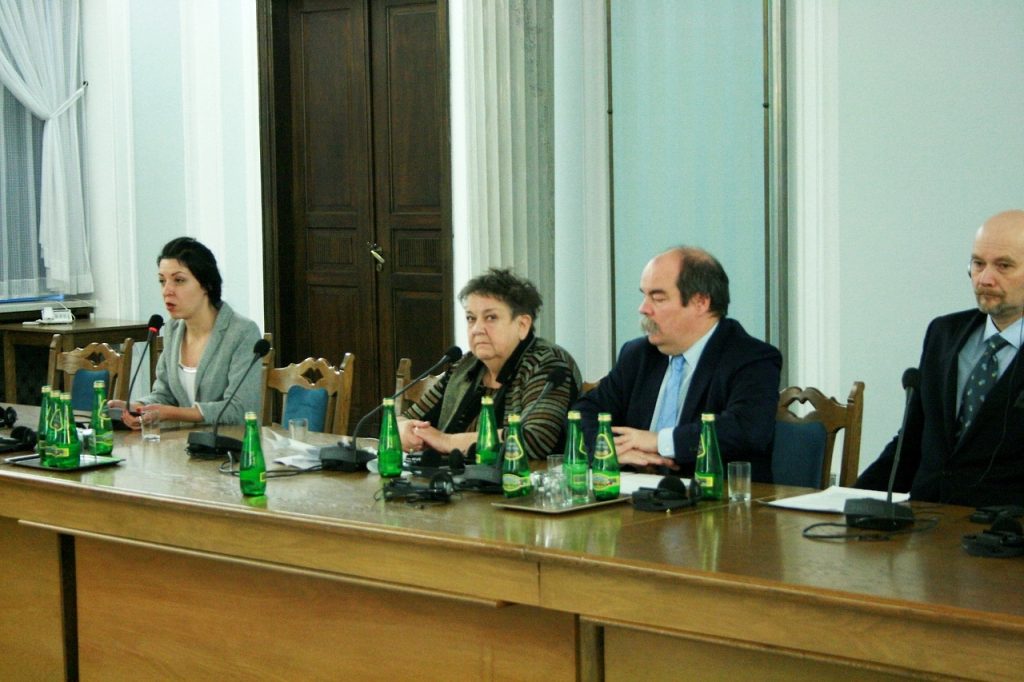
Given that the conference was dedicated not only to the prehistory but also to specific methods of gaining independence by the peoples of the region, Olena Semenyaka focused on the following aspect of the issue: “The Polish-Ukrainian cooperation as a key to the sovereign Intermarium.” She also emphasized the geopolitical nature of her speech in the course of communication with the journalists of the local TV channel.
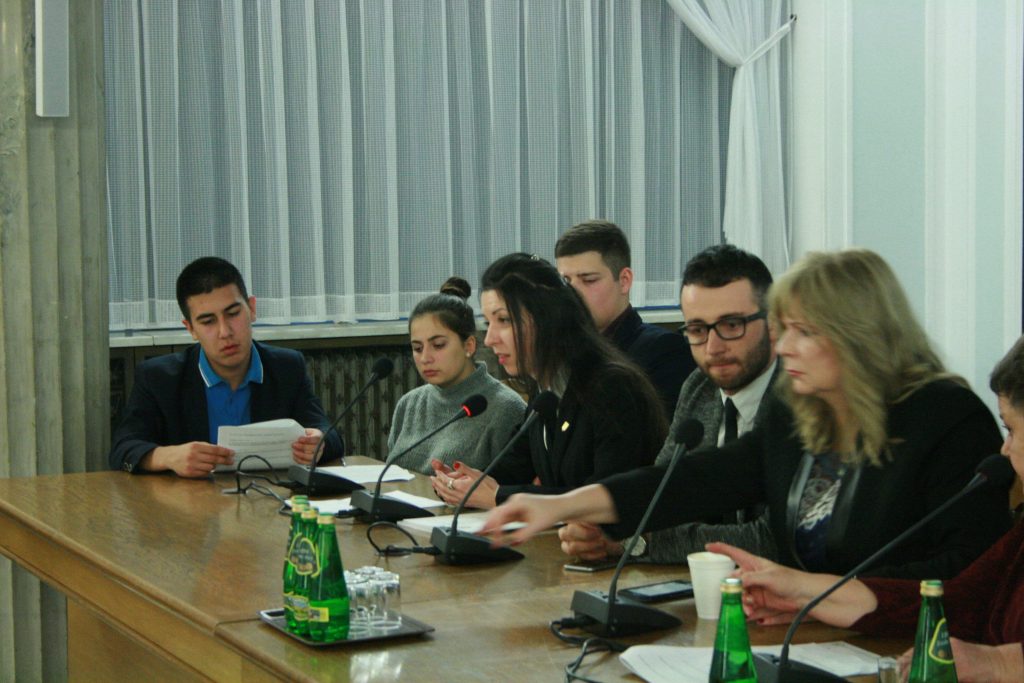
In addition, given the presence of the members of the ruling party “Law and Justice,” Olena Semenyaka called on the Polish side to establish cooperation with Ukrainian political allies keeping in mind that the current president and government of Ukraine (meaning Petro Poroshenko) only accept uncritically any initiative of the European Union and the West as a whole, including those directed against Polish cultural, demographic and economic policies.
Certainly, the representative of National Corps, known for its comprehensive cooperation with the Polish supporters of the Intermarium, could not avoid the case of the “historical war” between Ukraine and Poland unleashed by irresponsible politicians and historians solely in the Kremlin’s interests.
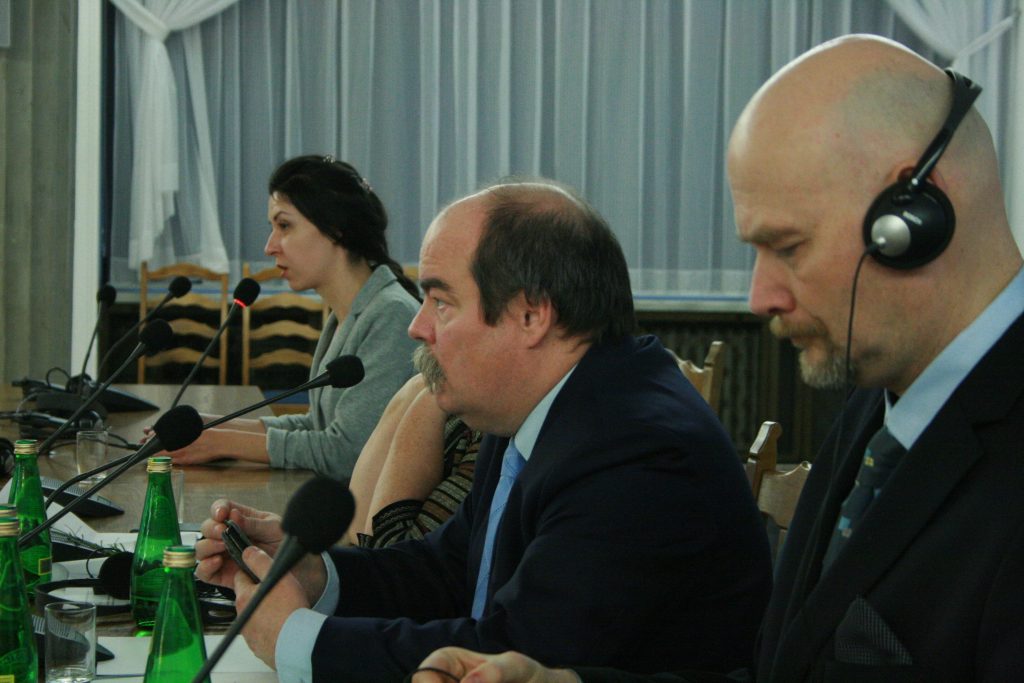
During the morning broadcast on W-Net radio, which the wider public could listen to on November 27 at 9:00 am Polish time, Olena Semenyaka summarized three main factors that deteriorated relations between Ukraine and Poland. The first is an objective historical one obliging to transfer the guilt from entire peoples to individual executors of orders against the civilians on both sides (Wolyn’s case). The second factor is the careerism of officials holding the future of Poland and Ukraine hostage to their short-term power ambitions. Finally, the third factor is geopolitical, related to the desire of the Ukrainian authorities to find a new master after the Kremlin instead of supporting Poland’s autonomist aspirations at least within the Three Seas Initiative. The root of some of Ukraine’s unfriendly diplomatic steps is to be found here, not just Moscow’s intrigues or electoral speculation by politicians.
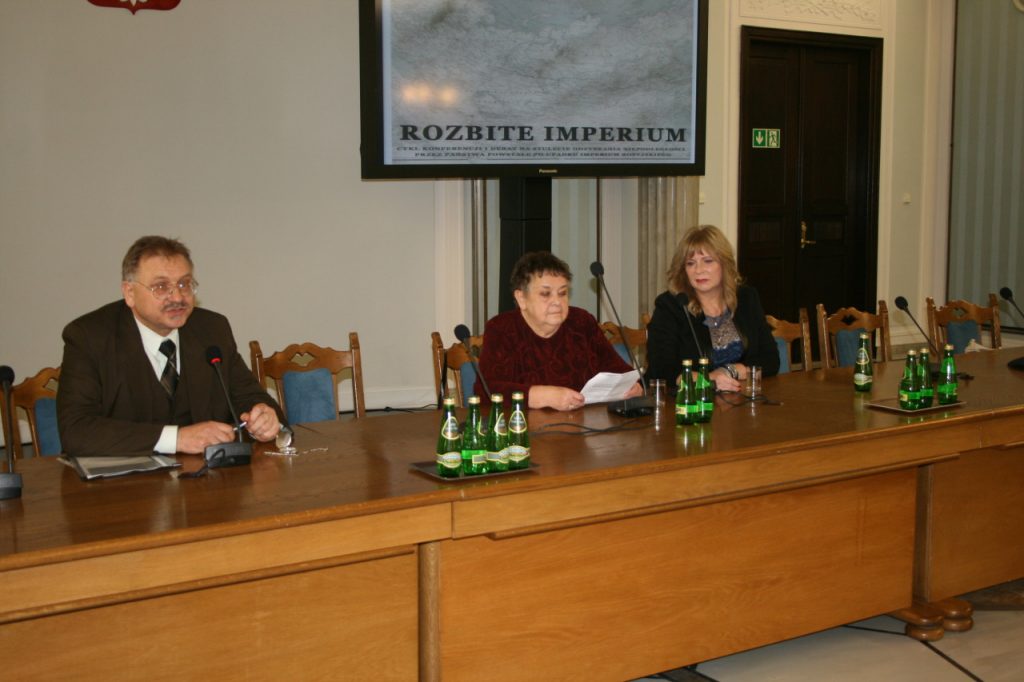
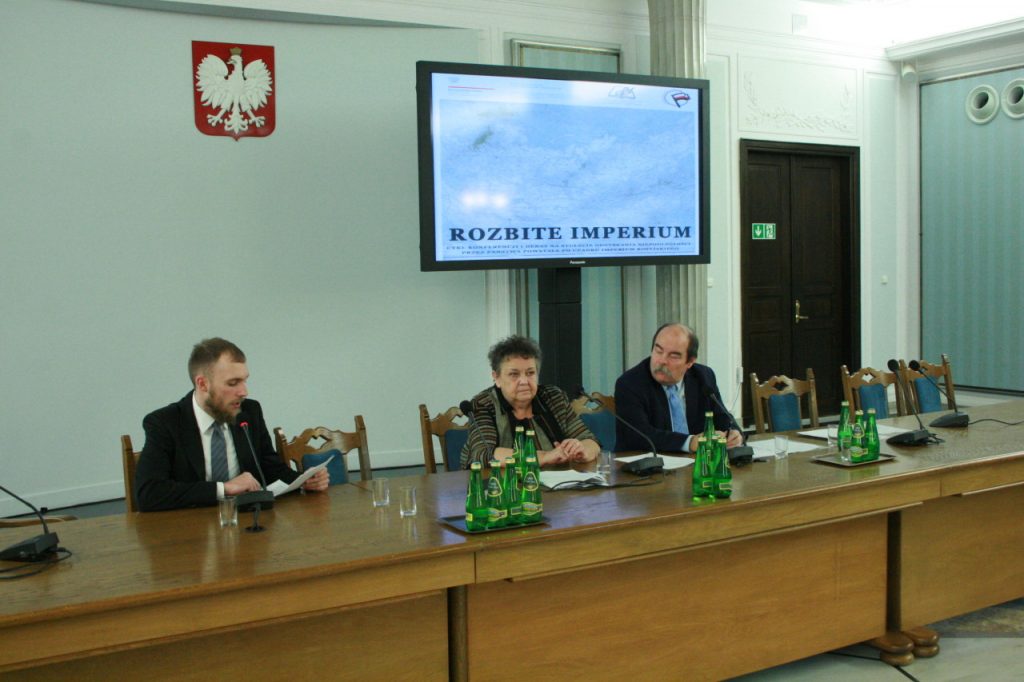
Among the Polish speakers, it is worth mentioning Zdzisław Janeczek’s report on the supranational Polish-Ukrainian alliance of Józef Pilsudski and Simon Petliura and their joint march to Kyiv captured by the Bolsheviks “for our freedom and yours” as an important precedent of the practical development of Intermarium in the former century, as well as the speech by Witold Dobrowolski on the cooperation of Polish and Ukrainian nationalist circles since 2014/15, above all, between the milieu formed around SZTURM magazine, on the Polish side, and National Corps, on the Ukrainian one.
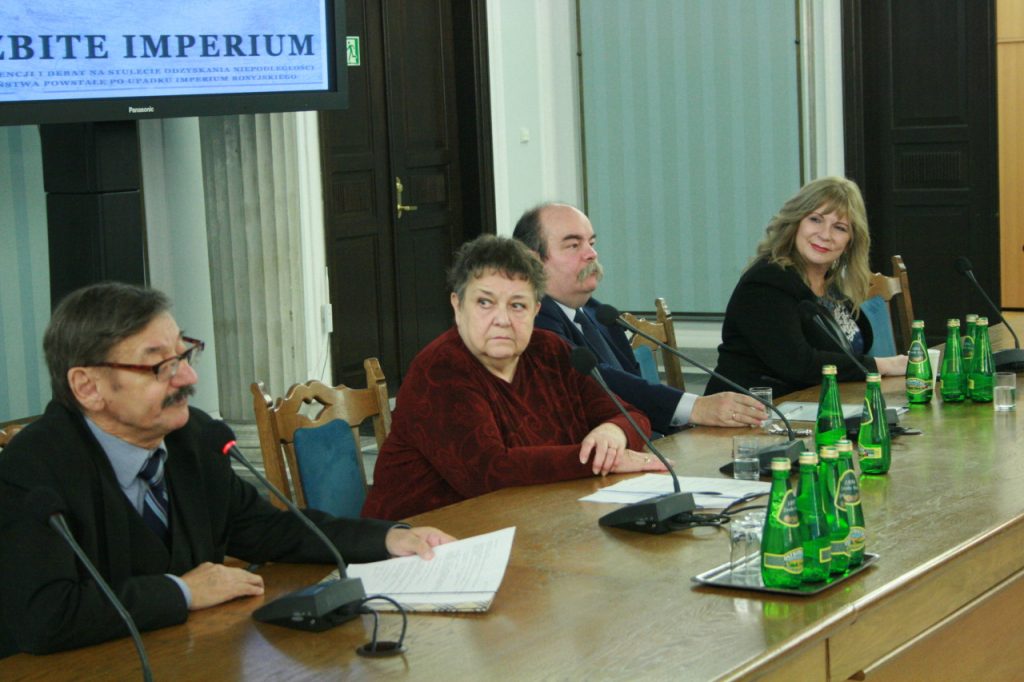
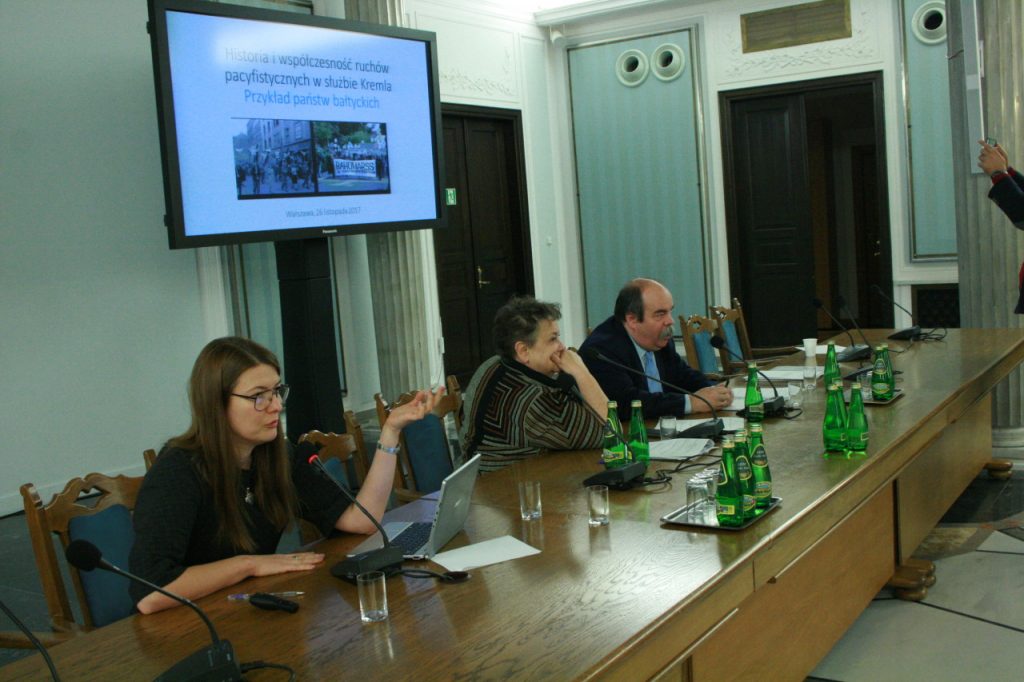
The speech by Jerzy Targalski, who i.a. thoroughly explored the methods and activities of the Kremlin diplomacy whose unscrupulousness can be topped only by ideological omnivorousness of its representatives and inspirers, such as Alexander Dugin, is worth a special mention. Ewa Palacz and Małgorzata Zawadzka enriched the picture of the Kremlin’s hybrid warfare by analyzing the activities of pacifist societies, which, for example, teach Baltic children to read poems about “Russian Sevastopol,” and Orthodoxy as a political tool in the service of the self-proclaimed Third Rome.
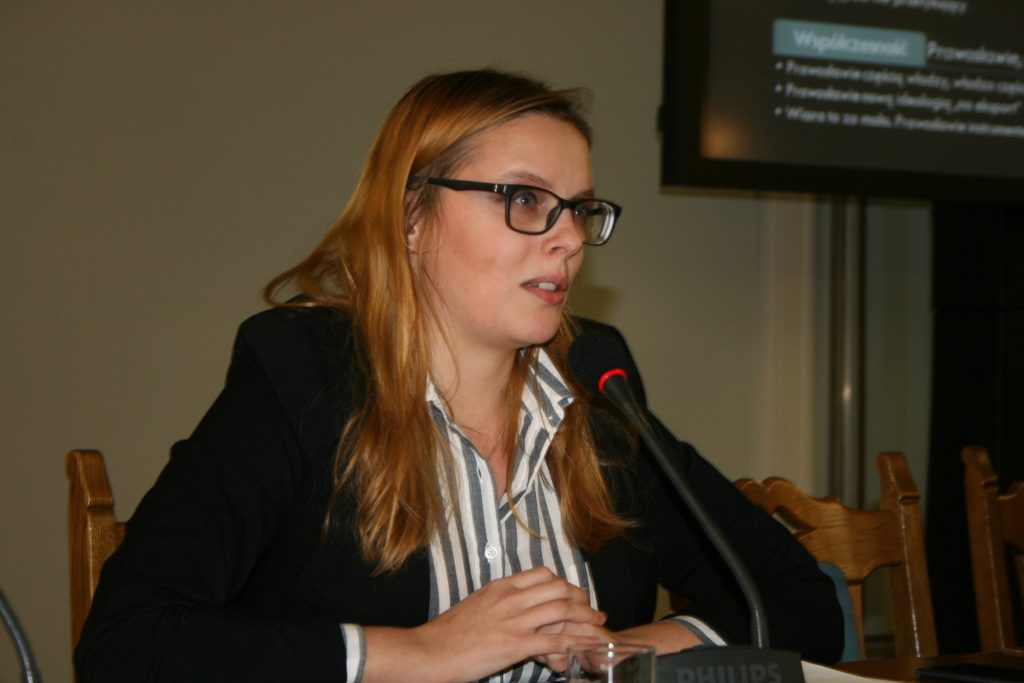
Mariusz Patey’s report on the ideas of the Intermarium economic integration’s theorists, supplemented by Wojciech Matiasiak’s speech on the Baltic-Black Sea transport corridor, significantly increased the participants’ interest in the practical implementation of the Intermarium. The voices of Belarus, Georgia, Poland and other countries in the region, not mentioning Tatarstan, who have jointly honored the victims of the Holodomor, showed eloquently what it means to be a “natural ally” who does not need any explanations.
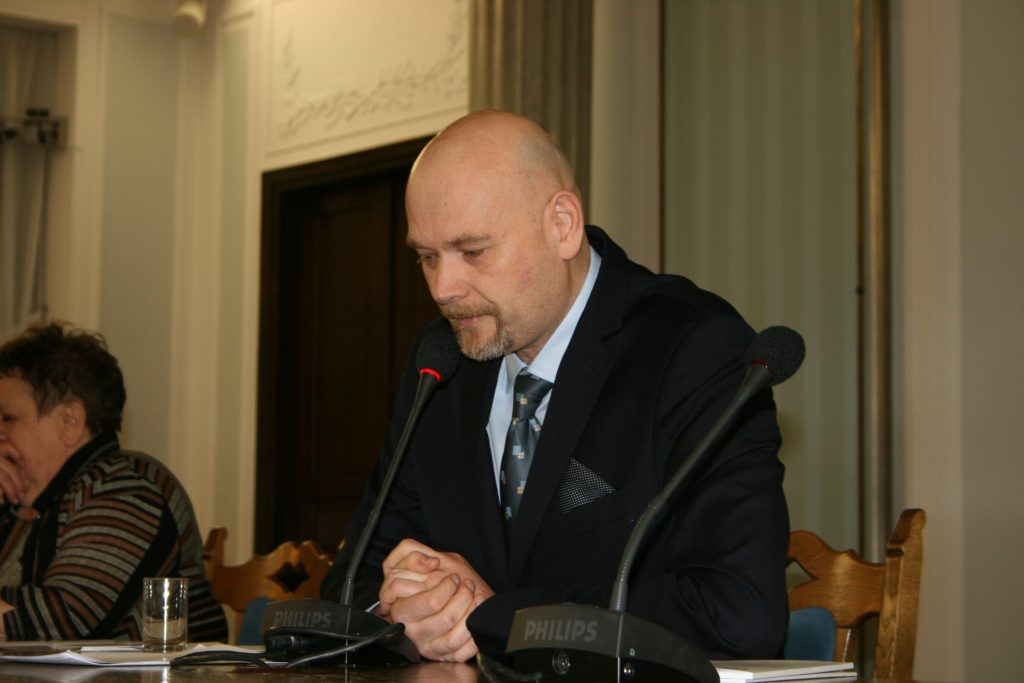
The results of the conference, summarized by Jadwiga Chmielowska, Piotr Hlebowicz, Jerzy Targalski and Marcin Dybowsky, set out a clear guide to the development of the Intermarium, political cooperation of reasonable Polish and Ukrainian parties, figures and officials and elaboration of the Eastern European cultural and civilizational matrix different both from the anti-Western line of Russian conservatives of Dugin’s type and the ideals of multiculturalism. It is safe to say that a supranational community of the novel Polish and Ukrainian elites ready to steer the region’s future in the right direction has been formed.